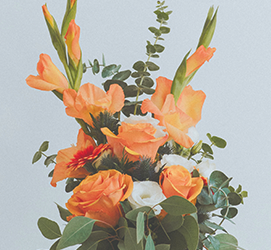
Hillingdon Council Rules for Floral Displays and Roadside Flowers
Posted on 11/10/2026
If you are planning floral displays, roadside planting, memorial flowers, or a community bed in Hillingdon, the rules can feel a bit fuzzy at first. What is allowed on a verge? Who needs permission? And when does a cheerful bit of planting become a safety or maintenance issue? The truth is, Hillingdon Council Rules for Floral Displays and Roadside Flowers are really about balancing beauty, access, safety, and upkeep. Done well, floral displays make streets feel cared for. Done badly, they can block sightlines, create hazards, or trigger removal.
This guide breaks the topic down in plain English. You will learn how the rules usually work, what councils tend to look for, where the common pitfalls are, and how to plan something attractive without causing avoidable problems. We will also cover practical steps, best practices, and a realistic example so you can move forward with more confidence. Let's face it, no one wants a lovely display to turn into a complaint.
Table of Contents
- Why Hillingdon Council Rules for Floral Displays and Roadside Flowers Matters
- How Hillingdon Council Rules for Floral Displays and Roadside Flowers Works
- Key Benefits and Practical Advantages
- Who This Is For and When It Makes Sense
- Step-by-Step Guidance
- Expert Tips for Better Results
- Common Mistakes to Avoid
- Tools, Resources and Recommendations
- Law, Compliance, Standards, or Best Practice
- Options, Methods, or Comparison Table
- Case Study or Real-World Example
- Practical Checklist
- Conclusion
- Frequently Asked Questions
Why Hillingdon Council Rules for Floral Displays and Roadside Flowers Matters
Roadside flowers and floral displays might sound simple, almost decorative afterthoughts. They are not. In a borough like Hillingdon, where residential streets, busier roads, green verges, and public spaces all sit close together, even a small planting choice can have a wider effect. A low planter can be charming near a shop front. The same planter on a corner by traffic lights? Less charming, more headache.
These rules matter because they help keep people safe while protecting the look and function of public land. Councils generally need to consider sightlines for drivers, pedestrians, cyclists, wheelchair users, refuse vehicles, and maintenance crews. If a floral display grows too tall, spreads too far, or sits in the wrong place, it can interfere with all of that. That is the heart of the matter.
There is also a practical maintenance question. Council-managed land has to be kept manageable. If flowers are planted without agreement, they may be removed during routine works. That is disappointing for the people who spent time and money on them, and it can create tension in the neighbourhood. You can almost hear the conversation now: "But it looked fine yesterday."
Another reason the rules matter is fairness. One person's neat verge planting can become another person's blocked pavement or muddied path after rain. Council expectations usually aim to reduce those clashes before they start. In our experience, the best outcomes happen when people think beyond the flower bed itself and picture the whole street: foot traffic, drainage, mowing, bins, and visibility all moving at once.
Key takeaway: the rules are not there to stop floral displays. They are there to stop good intentions from becoming hazards, disputes, or avoidable removals.
How Hillingdon Council Rules for Floral Displays and Roadside Flowers Works
Most local rules around roadside flowers follow a similar pattern, even if the details differ by borough or site. The land matters first. Is the area private property, pavement, highway verge, roundabout, traffic island, or council-maintained green space? That single question changes what you can do, who you need to speak to, and whether permission is likely to be needed.
If the area is public highway land or a verge next to the road, councils tend to be especially cautious. That is because they must protect road users and preserve access for maintenance. If the flowers are in a private front garden set back from the pavement, the rules are usually much simpler. The same roses can be fine in one place and completely inappropriate in another. Annoying? A little. Logical? Also yes.
In practical terms, a council will usually look at a few things:
- Whether the display affects visibility for drivers or pedestrians
- Whether it blocks access to the pavement, kerb, or drainage features
- Whether the planting could spread, overhang, or create maintenance issues
- Whether the design is safe in wind, rain, and changing seasons
- Whether the flowers are temporary, seasonal, or intended as a long-term feature
Where approval or coordination is needed, councils often expect a clear plan. That may include the exact location, approximate size, the type of planting or container, how watering will be handled, and who will maintain it. A tidy, practical proposal usually stands a much better chance than a vague "we'd like to brighten the area up a bit." Nice sentiment. Not enough detail.
Roadside flowers also have a timing aspect. Summer planting can look great in June and July, but the same display may need very different management once autumn winds arrive. Petals, stems, and containers all behave differently when the weather turns. If you have ever watched a planter tip slightly after a windy evening, you will know exactly what I mean.
For people who are planning floral arrangements for celebrations, remembrance, or business premises, a broader understanding of delivery and display planning can help too. For example, choosing a local florist and arranging careful delivery matters just as much as the display itself. Some readers also like to review practical pages such as delivery information and flower care advice before they finalise a display plan.
Key Benefits and Practical Advantages
Following council expectations may feel like extra admin, but it pays off. The obvious benefit is avoiding removal or complaint. The less obvious benefit is that a well-planned display tends to look better for longer. Flowers that are planted in the right place, at the right height, and with the right maintenance routine usually stay neat instead of becoming scruffy after a week or two.
Here are the main advantages:
- Safety: proper placement reduces the chance of blocked sightlines, trip hazards, and obstruction near the road edge.
- Longevity: the right setup survives weather changes, footfall, and routine maintenance more reliably.
- Neighbour goodwill: thoughtful planting tends to be welcomed rather than criticised.
- Less waste: you avoid spending money on a display that may need to be changed or removed.
- Better appearance: a display designed for the site looks more intentional and professional.
There is also a subtle but important benefit: predictability. When everyone knows the basic expectations, decisions become easier. The council knows what you intend to do. You know what maintenance is required. Local residents know the verge will not suddenly turn into a jungle by August. Simple, but useful.
For community groups and businesses, flowers can support a positive local identity too. A frontage with well-managed seasonal planting feels cared for. A roadside memorial or tribute display, if handled respectfully, can also give people a place to pause and remember. If you are looking at related floral occasions, useful category pages can help with planning, such as summer flowers, wedding flowers, and sympathy flowers.
Who This Is For and When It Makes Sense
This topic is relevant to a surprisingly wide group of people. If you only think of council rules as something for "big projects," you might miss the everyday situations where they matter most.
You may need to understand Hillingdon Council Rules for Floral Displays and Roadside Flowers if you are:
- a resident planning a small verge or frontage display
- a community volunteer working on a neighbourhood beautification project
- a shop owner wanting to add flowers near the pavement
- a school, church, or community venue improving its frontage
- a family arranging roadside flowers for remembrance
- a business setting up seasonal planting near a public-facing entrance
It also makes sense if you are not sure who owns the land. That uncertainty is very common, and it is one of the main reasons people run into problems. A flower bed that feels like "our patch" might actually sit on highway land. Once you know that, everything becomes clearer.
Sometimes the right move is simply to keep the display on private ground and avoid the need for permissions altogether. Other times, particularly for community or memorial work, a more formal conversation is the safer choice. The best approach depends on location, visibility, and how permanent the planting will be.
To be fair, people usually start with good intentions. They want a place to look brighter, calmer, or more respectful. That part is easy to understand. The real question is whether the display can stay safe and tidy without creating extra work for anyone else. If the answer is yes, you are on much firmer ground.
Step-by-Step Guidance
If you want to plan a floral display or roadside flowers without unnecessary hassle, follow a sensible sequence. It saves time. It also saves the slightly awkward "we need to move this" conversation later on.
1. Identify exactly where the display will go
Start by checking whether the site is private, council-owned, or part of the road network. Look at the edges carefully. A strip that seems decorative may actually be highway verge or maintenance land. If you are unsure, do not guess. That is one of those little mistakes that can cost you later.
2. Think about the purpose of the display
Is it seasonal decoration, a memorial tribute, a community project, or ongoing planting? Councils usually assess temporary displays differently from long-term or fixed installations. A one-off arrangement for a special occasion is not the same as a permanent roadside feature.
3. Measure the space and sketch the layout
You do not need architectural drawings for every project, but you should know the footprint. Height matters too. A low arrangement at ground level is very different from a tall planter near a junction. Keep the sketch simple and readable. Honestly, a clear scribble is often more helpful than a grand plan that says very little.
4. Check safety and access issues
Ask yourself a few practical questions. Will people still walk through easily? Could drivers see around the display? Is there room for bins, pushchairs, wheelchairs, and maintenance access? If the answer to any of those is "maybe not," rethink the placement.
5. Choose suitable plants and containers
Use flowers that fit the site. Hardy bedding plants, low-maintenance seasonal flowers, and stable containers are often better than tall, brittle, or top-heavy displays. Roadside conditions can be harsh. Dust, wind, spray, and heat off the tarmac all matter. So does watering.
6. Plan maintenance before installation
Who waters it? Who deadheads it? Who clears dropped petals and litter? A display is only as good as its maintenance. This is where many good ideas fall down, truth be told. The arrangement looks lovely on day one and a bit sad by the following Thursday.
7. Ask for permission or clarification if needed
If the location involves public land, road edges, or a potentially shared space, make contact before placing anything. Keep your request clear and practical. Include the site, your proposal, the materials, and the maintenance plan. The easier you make it to understand, the better.
8. Install carefully and review after the first week
Once in place, check the display after rain, wind, and normal foot traffic. Small issues show up quickly. A planter that looked stable on a calm morning can shift by evening. Better to catch that early than after someone has to move it.
Expert Tips for Better Results
After dealing with a fair number of floral projects, one thing stands out: the successful ones are almost always the ones that respect the site first and the flowers second. That sounds backward, but it is true.
- Keep heights modest near road edges. A low arrangement is usually safer and more predictable than a tall one.
- Choose stable bases. Heavy containers, secure fixings, and level ground reduce movement in wind.
- Use seasonal planting thoughtfully. Spring bedding may look soft and bright, while autumn planting can handle harsher weather more reliably.
- Leave room around the display. Crowding edges makes maintenance harder and can create a cluttered look.
- Think in terms of upkeep, not just appearance. A neat display in week six is more impressive than a dramatic one that collapses in week two.
- Use colour with purpose. A limited palette often looks more polished than a mix of everything available on the day.
Here is a small practical observation: flowers near roads get dusty fast. Traffic, spray, and wind all leave their mark. It is one of those unglamorous facts people forget until the petals start looking tired by midday. So if the display needs to stay fresh, build in more maintenance than you think you need.
If you are planning around a special event, a florist can help you choose styles that suit the location. For example, a sturdier arrangement or a simple, elegant palette may travel and display better than a highly delicate design. For local inspiration, you might also browse best sellers or florist choice arrangements for ideas that are practical as well as attractive.
Common Mistakes to Avoid
Most problems with roadside flowers are preventable. They usually come from rushing, assuming, or underestimating how a public space behaves. Here are the errors we see most often.
- Assuming a verge is public to use: ownership and maintenance responsibility are not always obvious.
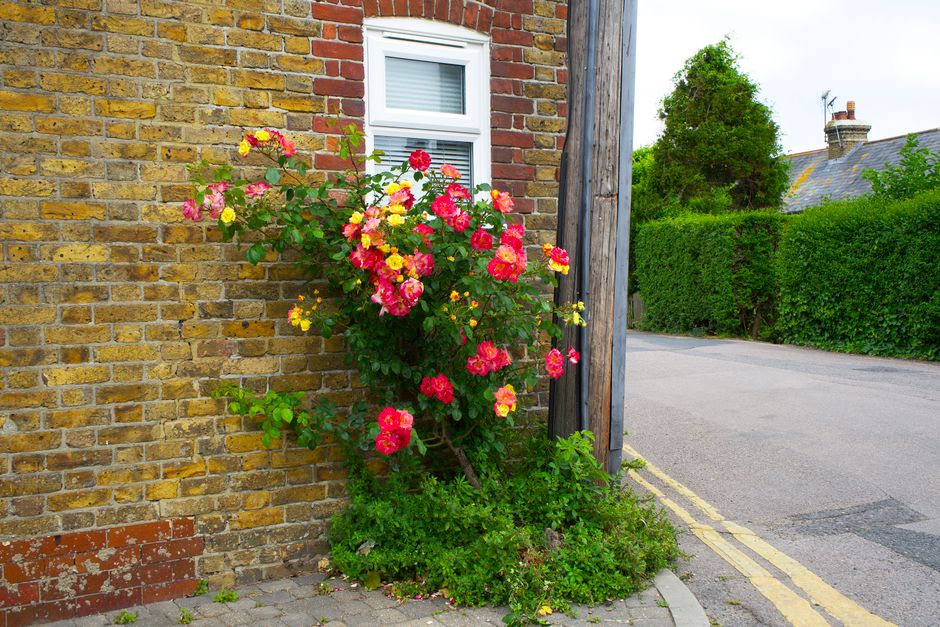
- Planting too close to the kerb: it can interfere with visibility, drainage, or mowing.
- Using unstable containers: lightweight pots can topple surprisingly easily.
- Choosing plants that grow too tall: what looks modest in April can be excessive by July.
- Forgetting maintenance: no watering plan usually means a tired display very quickly.
- Blocking foot traffic: even a pretty display is a problem if people have to step into the road.
- Skipping permission checks: this is the classic one. If public land is involved, check first.
Another subtle mistake is treating a floral display like a one-day event when it is really a living installation. Plants change. Weather changes. Site conditions change. What looks tidy on setup day may need adjustments later. It sounds obvious, but it catches people out all the time.
And one more, just because it deserves its own line: if it needs explaining three times, it probably needs redesigning once.
Tools, Resources and Recommendations
You do not need a huge toolkit to manage a floral display well, but the basics matter. A small amount of preparation saves a lot of friction later.
Useful tools
- measuring tape or wheel for layout checks
- simple site sketch or phone photo record
- stable pots, troughs, or border edging
- watering can, hose access, or irrigation plan
- secateurs for deadheading and tidy-ups
- gloves and a litter bag for routine maintenance
Practical resources to review
- about us if you want to understand the florist's approach and local service style
- sustainability if environmentally minded planting choices matter to you
- guarantees for reassurance around quality and service expectations
- contact us when you need tailored help with a specific floral plan
If you are arranging flowers for a broader purpose, such as an event, tribute, or business frontage, it can help to think about durability and presentation together. A beautiful arrangement is good. A beautiful arrangement that lasts through wind and foot traffic is better. The market for seasonal flowers, tribute flowers, and everyday bouquets can give you ideas about what works visually, like any occasion flowers, luxury flowers, or budget-friendly options.
Law, Compliance, Standards, or Best Practice
This topic sits at the intersection of everyday gardening and public-space responsibility. That means the safest advice is cautious and practical. Exact rules can vary depending on whether land is privately owned, part of the highway, or maintained by the council. It also depends on whether the display is temporary, seasonal, or installed as a longer-term feature.
In general, good compliance practice means:
- confirming land ownership before placing anything on a verge or roadside edge
- avoiding obstruction of sightlines, access routes, or drainage features
- keeping plantings proportionate to the space
- using stable, weather-resistant materials where containers are involved
- maintaining the display so it does not become a hazard or nuisance
For memorial flowers and roadside tributes, sensitivity matters as much as structure. A respectful arrangement still needs to be safe. That may mean using lower profiles, avoiding loose items that can blow away, and keeping the display within any agreed boundary. Best practice is usually the quiet, tidy kind. It does not shout, but it works.
If you are unsure, get clarification before installation. That is not being cautious for the sake of it. It is just sensible. The cost of checking is tiny compared with the cost of replacing a display or dealing with complaints later on.
Options, Methods, or Comparison Table
Different floral approaches suit different settings. Here is a simple comparison to help you choose the right one for a Hillingdon roadside or frontage project.
| Method | Best for | Advantages | Watch-outs |
|---|---|---|---|
| Ground planting in a border | Private front gardens or agreed community beds | Natural look, lower cost over time, strong visual impact | Needs ongoing maintenance; may spread if not managed |
| Container displays | Frontages, entrances, temporary features | Portable, easier to control, flexible for seasonal changes | Can topple, dry out, or obstruct if too large |
| Temporary floral tributes | Memorials, events, short-term roadside gestures | Respectful, simple, easy to remove after the event | Can be affected by wind and litter; needs a clear endpoint |
| Community planted verges | Neighbourhood improvement projects | Strong civic value, local pride, shared responsibility | Needs coordination, permissions, and a maintenance rota |
In practice, the right option depends on who is maintaining it and how much control you need. Containers are often the easiest starting point. Ground planting looks more natural, but it needs more commitment. Community verge planting can be lovely when everyone is aligned, though it does need a bit of organisation. No shame in that.
Case Study or Real-World Example
Picture a small business near a busy road in Hillingdon. The owner wants to brighten the frontage with summer flowers because the pavement feels plain and a bit grey on rainy mornings. There is a temptation to place large pots near the edge for maximum visibility. They look great in the shop window, so why not outside too?
Before acting, they check the layout more carefully. One pot would sit close to the kerb where delivery vans already stop. Another would narrow the walking space for people passing with bags or pushchairs. So the plan changes. Instead of tall pots at the edge, they use lower, heavier containers just inside the frontage, with a tighter colour palette and simple seasonal planting. They also assign one staff member to water and deadhead twice a week.
The result is modest but effective. The flowers still catch the eye, but they do not interrupt movement. The display stays neat through the warmer weeks, and because it was designed with the site in mind, it does not attract complaints. That is the sort of outcome you want. Not flashy. Just right.
There is a lesson here: the best floral display is not always the biggest one. It is the one that fits the place. Sometimes restraint is what makes it feel polished.
Practical Checklist
Use this checklist before placing flowers near a roadside, verge, or public-facing area in Hillingdon.
- Have I confirmed whether the land is private or public?
- Have I checked whether the display could affect sightlines or access?
- Is the planting size suitable for the space?
- Are the containers stable and weather-resistant?
- Do I know who will water and maintain the display?
- Have I chosen plants that suit the season and conditions?
- Could the display interfere with mowing, drainage, or cleaning?
- Have I asked for permission or clarification where needed?
- Is there a plan to remove or refresh the display if conditions change?
- Will the final setup still look tidy after a windy or wet day?
If you can tick most of those with confidence, you are probably on the right track. If a few answers are shaky, pause and adjust the plan before moving ahead. That small pause can save a lot of trouble.
Conclusion
Hillingdon Council Rules for Floral Displays and Roadside Flowers are, at their core, about balance. Beauty matters, but so does safety, access, and maintenance. Once you understand that, the rules stop feeling mysterious and start feeling practical. You can plan a display that is attractive, respectful, and much less likely to create problems later on.
Whether you are planting a tiny tribute, improving a business frontage, or coordinating a community project, the same principle applies: check the land, keep the design proportionate, and think ahead about upkeep. That is usually enough to avoid the common pitfalls. And honestly, it makes the flowers look better too.
Get a free quote today and see how much you can save.
With a little planning, your display can brighten the street and still sit comfortably within the local expectations. That is the sweet spot. Quietly good, and lasting longer than a passing spring shower.
Frequently Asked Questions
Do I need permission for roadside flowers in Hillingdon?
If the flowers will sit on public land, a verge, or anywhere close to the road network, permission or clarification is often needed. If the planting is entirely on private land, the situation is usually simpler. The safest step is to check before placing anything.
Can I plant flowers on a verge outside my home?
Not always. Even if the verge looks unused, it may be council-maintained land or part of the highway. That means planting could be restricted or need approval. It is better to confirm ownership first than to assume it is fair game.
What counts as a floral display rather than ordinary gardening?
A floral display is usually more deliberate and visible than everyday garden planting. It may involve containers, decorative arrangements, memorial flowers, or a planned roadside feature. The more public, formal, or long-term it is, the more likely rules and permissions come into play.
Are memorial flowers treated differently from decorative flowers?
Often, yes. Memorial flowers may be handled with more sensitivity, especially if they are temporary and placed respectfully. Even so, safety and access still matter. A tribute should not block visibility or create an obstruction.
What flowers work best near roads?
Hardy, low-maintenance flowers tend to work best near roads because they cope better with wind, dust, and changing weather. Compact seasonal bedding and stable container arrangements are often more practical than tall, delicate flowers.
How tall can a roadside display be?
There is no safe one-size-fits-all answer. The right height depends on the exact location, visibility, and whether the display sits near a junction, pavement, or entrance. Lower is usually safer near roads, especially where sightlines matter.
Will council workers remove flowers if they are not approved?
They may be removed if they are on public land, obstruct access, or interfere with maintenance. That is one of the main reasons to get clarity first. A display that seems harmless can still be taken away if it creates a problem.
How do I keep roadside flowers looking good for longer?
Choose sturdy plants, stable containers, and a simple maintenance routine. Watering, deadheading, and checking for wind damage make a real difference. A little attention every few days is often better than one big tidy-up later.
Can businesses use floral displays outside their premises?
Yes, sometimes, but the display must still respect public access and safety. Businesses should think carefully about pavement width, visibility, and whether the setup could create a hazard for passers-by or delivery vehicles.
What should I do if I am not sure who owns the land?
Do not install the flowers until you know. That is the simplest and safest advice. If ownership is unclear, treat the site cautiously and seek clarification before doing any planting or placing containers.
Are seasonal displays easier to approve than permanent ones?
Usually, yes. Temporary or seasonal floral displays are often easier to manage because they have a natural end point and can be removed if needed. Permanent installations tend to raise more questions about maintenance, safety, and long-term impact.
What is the biggest mistake people make with roadside flowers?
Assuming they can place flowers wherever looks nice. The location matters just as much as the flowers themselves. If the display is in the wrong spot, even the prettiest arrangement can become a nuisance.
Where can I get help choosing the right flower display?
A local florist can help you choose practical, attractive arrangements that suit the space, the season, and the purpose. It is often worth discussing the location first so the design fits the setting rather than fighting it.